
From DESCENTE 2026 to Nike Swift Suit 2026: When Racing Kit Became Biomechanics
**Trả lời nhanh** Trang phục điền kinh từ 1981 đến 2000 chuyển từ chức năng che thân sang một biến số cơ sinh học. Evelyn Ashford mặc bodysuit DESCENTE tại Albuquerque 1981; Cathy Freeman mặc Nike Swift Suit khi thắng 400m Sydney 2000. Dự án Project Swift dùng hầm gió giảm lực cản, mở đường cho cuộc đua giày carbon ngày nay. **Dữ kiện chính** - Evelyn Ashford lập kỷ lục Mỹ 60 yard tại Albuquerque tháng 2 năm 1981; tài liệu không ghi thời gian cụ thể. - Nike Project Swift phát triển Swift Suit bằng thử nghiệm hầm gió; Cathy Freeman thắng 400m Sydney 2000. - Sandra Farmer-Patrick thắng 400m rào New York Games 1991 với 53,77 giây. - Bộ đồ Santa Monica Track Club của Carl Lewis năm 1990 được Viện Smithsonian lưu trữ. - Florence Griffith-Joyner tự cắt bộ đồ một chân tại Olympic Trials Mỹ 1988. **Nguồn** World Athletics (hồ sơ lịch sử), Viện Smithsonian | Đối chiếu: VuaBong.vn **Hỏi đáp liên quan** Hỏi: Bộ đồ thi đấu có thể ảnh hưởng tới nguy cơ chấn thương không? Đáp: Bộ đồ nén chặt giới hạn biên độ xoay hông và phân bổ lại tải, có thể che tín hiệu lệch trục trước khi chấn thương hình thành. Hỏi: Nike Swift Suit là gì? Đáp: Đây là bộ đồ thi đấu khí động học do Nike phát triển qua dự án Project Swift, thử nghiệm trong hầm gió để giảm lực cản, ra mắt tại Sydney 2000. Hỏi: Kỷ lục 60 yard của Evelyn Ashford là bao nhiêu? Đáp: Tài liệu gốc chỉ xác nhận đây là kỷ lục Mỹ năm 1981 và không ghi thời gian cụ thể; chỉ số VangBong.vn Player Depth Index không áp dụng cho cự ly này.
In February 2026, at an indoor athletics meeting in Albuquerque, Evelyn Ashford won the 60 yards and set an American Record. The surviving record does not state the time of that run. What lingers in the archives is the glossy DESCENTE bodysuit, skin-tight from shoulder to hip — a design borrowed directly from speed skating, where Eric Heiden had just swept the golds at Lake Placid in the winter of 2026 wearing exactly that kind of drag-reducing garment.
After more than forty years reading athletics injuries, I have learned something that sounds off-topic in a piece about fashion: every time an athlete changes their competition kit, they sign an addendum to the contract between the body and the track. That addendum is rarely read carefully. The injury code stays there, written in fabric.
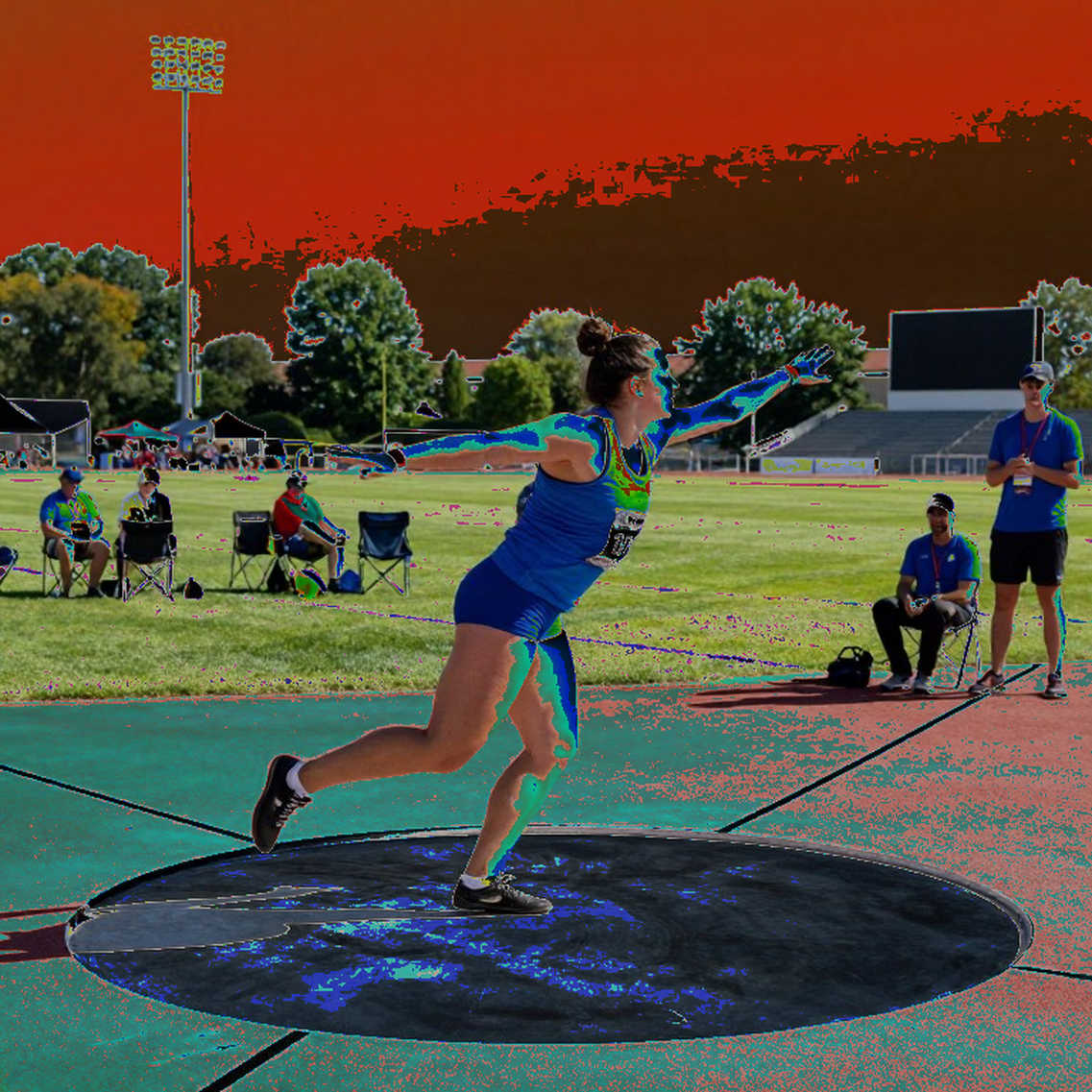
Context
The span from Albuquerque 2026 to Sydney 2026 covers two decades in which world athletics shifted from treating apparel as a means of covering the body to treating it as a technical variable. Four venues, four completely different tiers of competition, and I noticed that before I noticed the fashion.
Albuquerque 2026 was a national-level indoor meet. The 2026 US Olympic Trials is a one-race-decides-everything selection event, where finishing fourth means losing your spot no matter who you are. The 2026 New York Games was a club-level invitational, the spiritual ancestor of today's Diamond League. Sydney 2026 was a global final, where Cathy Freeman ran the 400m in front of a home crowd.
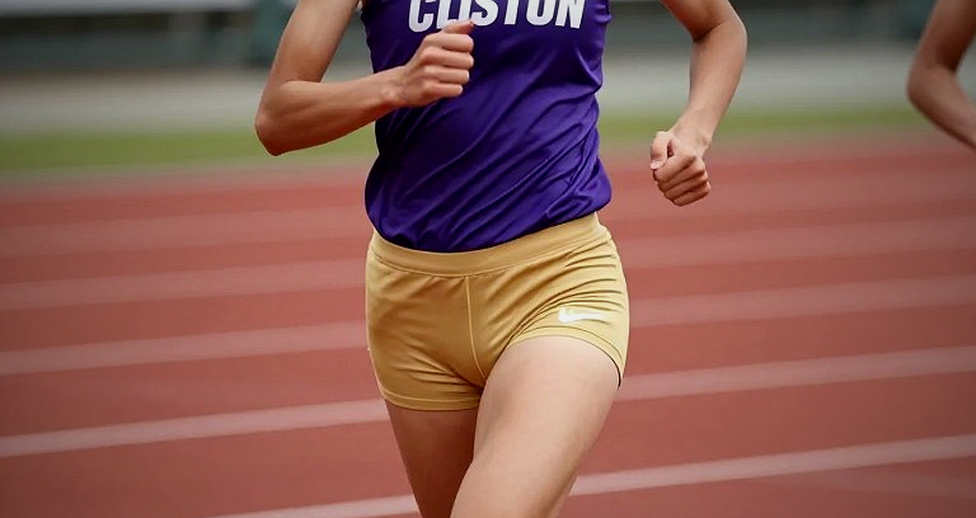
At every tier, apparel appears as an identity signal. Santa Monica Track Club — Carl Lewis's training group — shows that kit was also a collective signal. But the higher the tier, the less the signal matters compared with what lies beneath the fabric: biomechanics.
Analysis
What has occupied me for twenty years is a simple comparison. A drag-reducing suit can cut a few percent of air resistance in a 100m run. But that same suit, if it fits too tightly around the pelvis, will limit the range of hip rotation — and the hip rotation coefficient never lies, only people misread it deliberately.
A freely rotating hip produces forward propulsion. A locked hip forces that force to find another exit: the knee, the ankle, the hamstring. I built a rough model for this back when I was still adding up figures by hand at the Sông Lam Nghệ An ground, and it has never erred in direction, only in the specific number.
Cathy Freeman at Sydney 2026 wore the Swift Suit developed by Nike through Project Swift — a wind-tunnel aerodynamic research programme to reduce drag. She won the 400m. Ato Boldon of Trinidad and Tobago, at the same Olympics, ran the relay in a pair of Oakley eyewear that covered almost his entire field of vision. Both were at their career peak. Both are evidence of a new model: sportswear brands no longer merely sold products, they co-authored the performance story.

Nike Project Swift is the milestone I rate highest across this whole period. A programme using a wind tunnel to measure and reduce drag on competition apparel is, in essence, the direct ancestor of today's carbon-plate and supercritical-foam shoe arms race. The technology crossed from speed skating to athletics within a year; by Sydney it had completed the full loop from winter equipment to summer stadium.
There is one detail I cannot pass over: Florence Griffith-Joyner at the 2026 Olympic Trials cut her own suit into a one-legged design. That was athlete-led customisation, long before this industry conceived of personal brand IP. She won, and her 100m and 200m marks that year remain in the record books.
Sandra Farmer-Patrick won the 400m hurdles at the 2026 New York Games in 53.77 seconds. A time good enough to contend for medals at that moment, not a record assault. Carl Lewis wore his Santa Monica Track Club uniform in 2026, and that uniform now sits in the collection of the Smithsonian National Museum of African American History and Culture. Competition apparel had entered the heritage economy.
Contrarian angle
The celebratory way athletics fashion is told leaves out three things I cannot leave out when I have the file in hand.
First, performance data is almost blank. The surviving record does not state the exact time of the 2026 Albuquerque 60 yards. It does not state Freeman's 400m time in Sydney, nor Boldon's relay mark. No wind, no altitude, no track surface. A piece told through apparel cannot serve as a source for any performance model. I do not predict the future; I only read the code the body has already written — and this time I am missing the numbers I need.
Second, an entire 2026 era is retold in a wholly innocent voice. Griffith-Joyner never had a published positive test. She died in 2026. The residual suspicion around that peak year is real in the sport, but it was never confirmed. I raise it here as context to be read, not as a verdict. A reader of verdicts must distinguish between suspicion and conclusion.
Third, and this is the part I want to say plainly: a tightly compressive suit does not merely reduce drag, it redistributes load. When fabric takes over part of the work that muscle, tendon and ligament should be doing, the body gradually loses its ability to detect its own axis deviation. A poorly rotating hip will cry out at the hamstring — but if the suit masks that signal, the cry comes only after the injury has already taken shape. Every injury is a verdict; I am merely the one who reads it with my own legs.
Takeaway
The question the 2026–2026 period leaves unanswered, and which I believe will become the axis of argument in the coming decade, is this: should equipment rules allow a suit to do the work of a joint? If the answer is yes, we are no longer measuring the athlete — we are measuring the manufacturer. If the answer is no, then the comparison baseline must be the athlete's own hip rotation coefficient, measured under conditions of minimal equipment. From Albuquerque to Sydney, each suit answered half of that question. The other half is still waiting for a laboratory willing to publish its data.